Agent Infrastructure / 2026
BrowserPilot
A mobile command surface for a safety-gated browser agent running in the cloud.
BrowserPilot
Design / code / deployment
Runtime
Bun + Chromium
Safety
Approval gated
Verification
65 tests
Overview
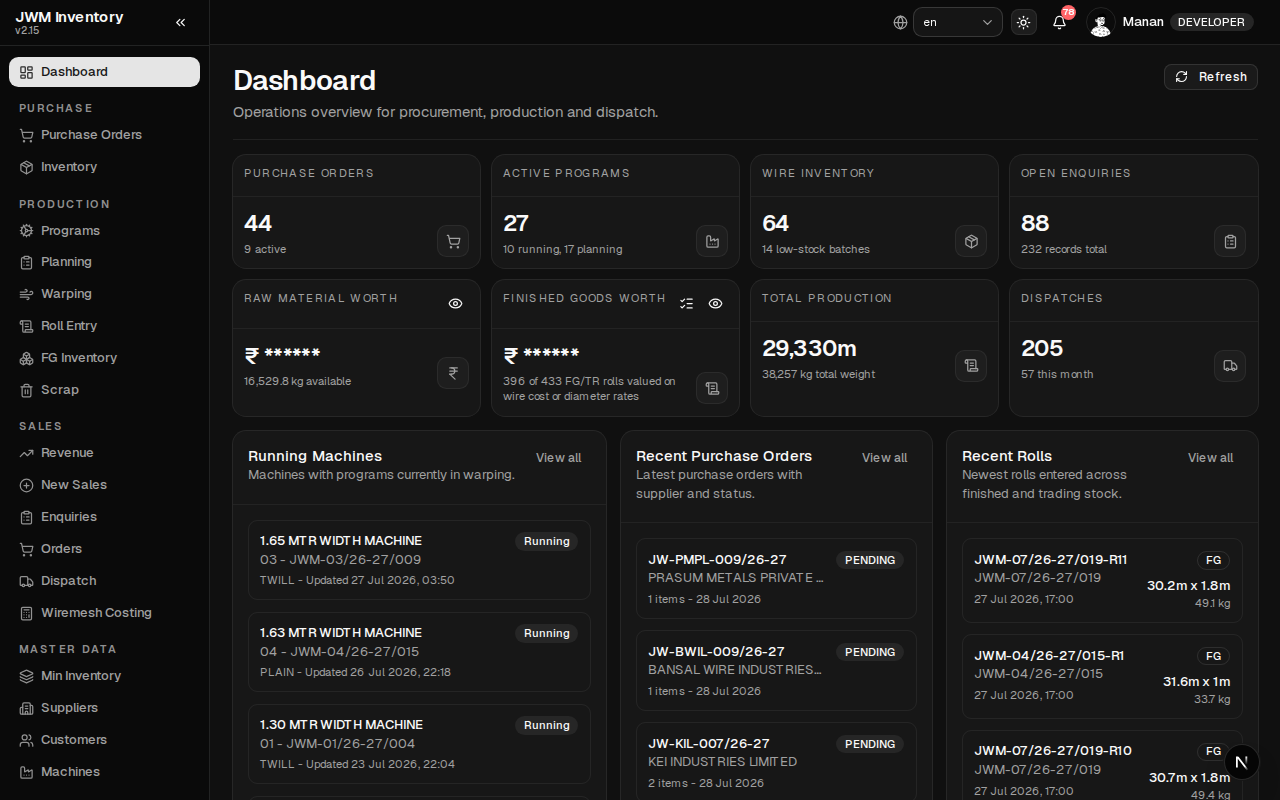
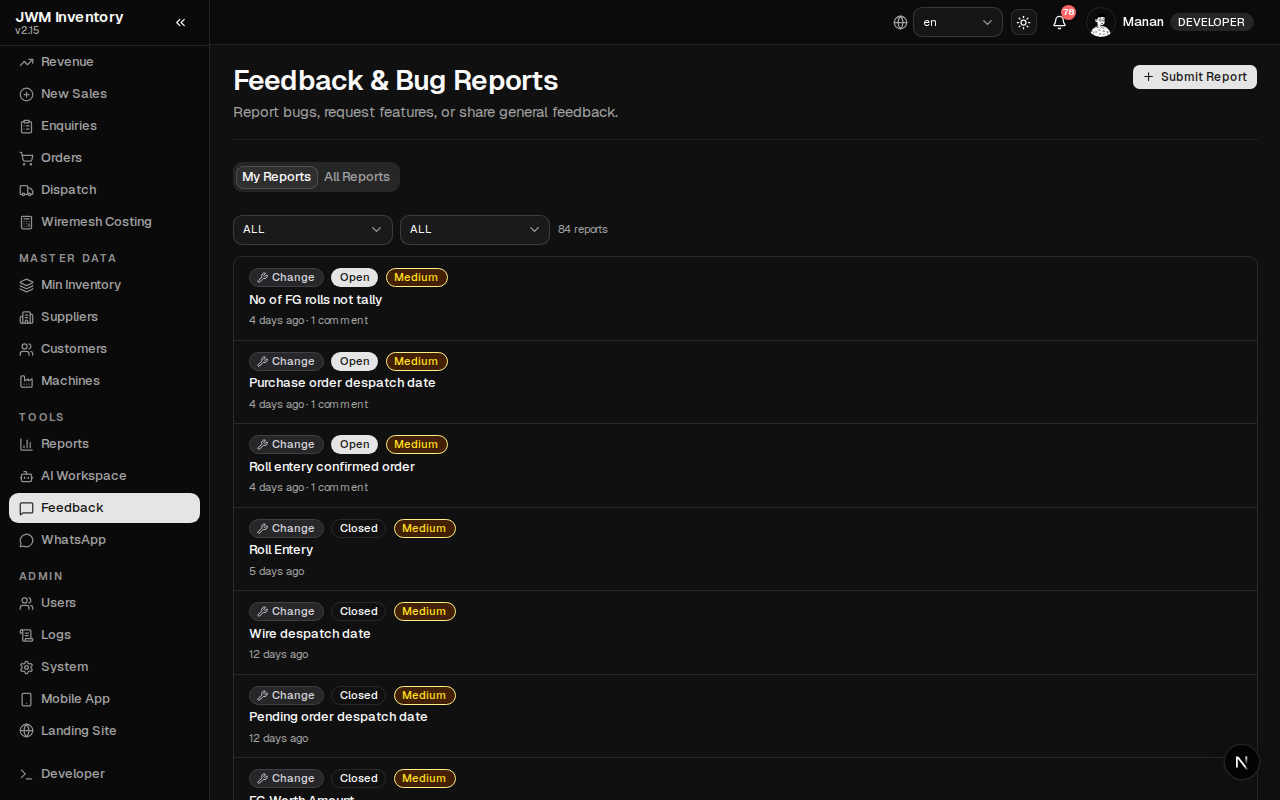
BrowserPilot turns a phone into the command and observation surface for an AI agent operating a server-side browser. The runtime manages browser sessions, Claude-driven tool use, Playwright MCP, live CDP screencasts, file delivery, and approval boundaries as one coherent system. Phase one is implemented and Dockerized with 65 model-free tests.
The problem
High-value browser workflows often live in internal web systems with no practical automation API. Traditional scripts are brittle and invisible, while autonomous agents become unsafe when they can submit or delete without a human boundary. Remote use adds another problem: the operator needs to see what the agent sees and intervene from anywhere.
What I built
A Bun runtime owns the browser fleet and agent loop, streams Chromium frames over WebSocket, and exposes a site-profile boundary for authentication and workflow knowledge. Destructive operations stop at explicit approval gates. The first integration targets purchase-order work inside a private ERP, but the runtime is designed so another application is one SiteProfile away.
My role
System architecture and end-to-end implementation across the Bun runtime, agent lifecycle, Playwright tool integration, authentication strategies, WebSocket protocol, CDP preview stream, download handling, test architecture, Docker packaging, and companion-app direction.
Biggest challenge
The difficult boundary is not making an agent click—it is keeping identity, session state, live observation, and human approval coherent through a long-running task. The runtime must also remain testable without paying for model calls, which drove the separation between orchestration and model/browser adapters.
Next project
GitHub Orbit