Client Platform / 2024
Octafiles
A legal marketplace with secure consults, AI drafting, and real-time communication.


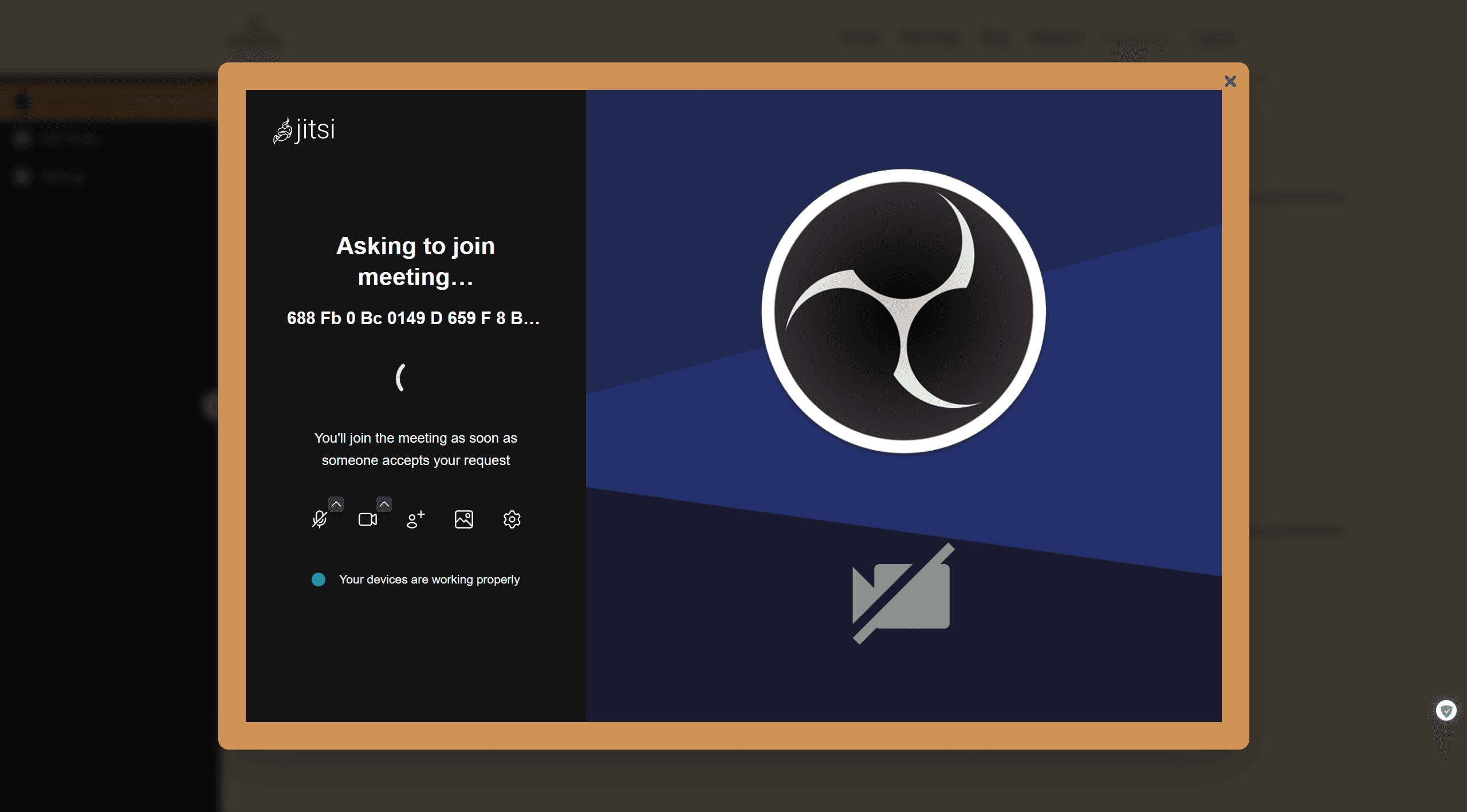
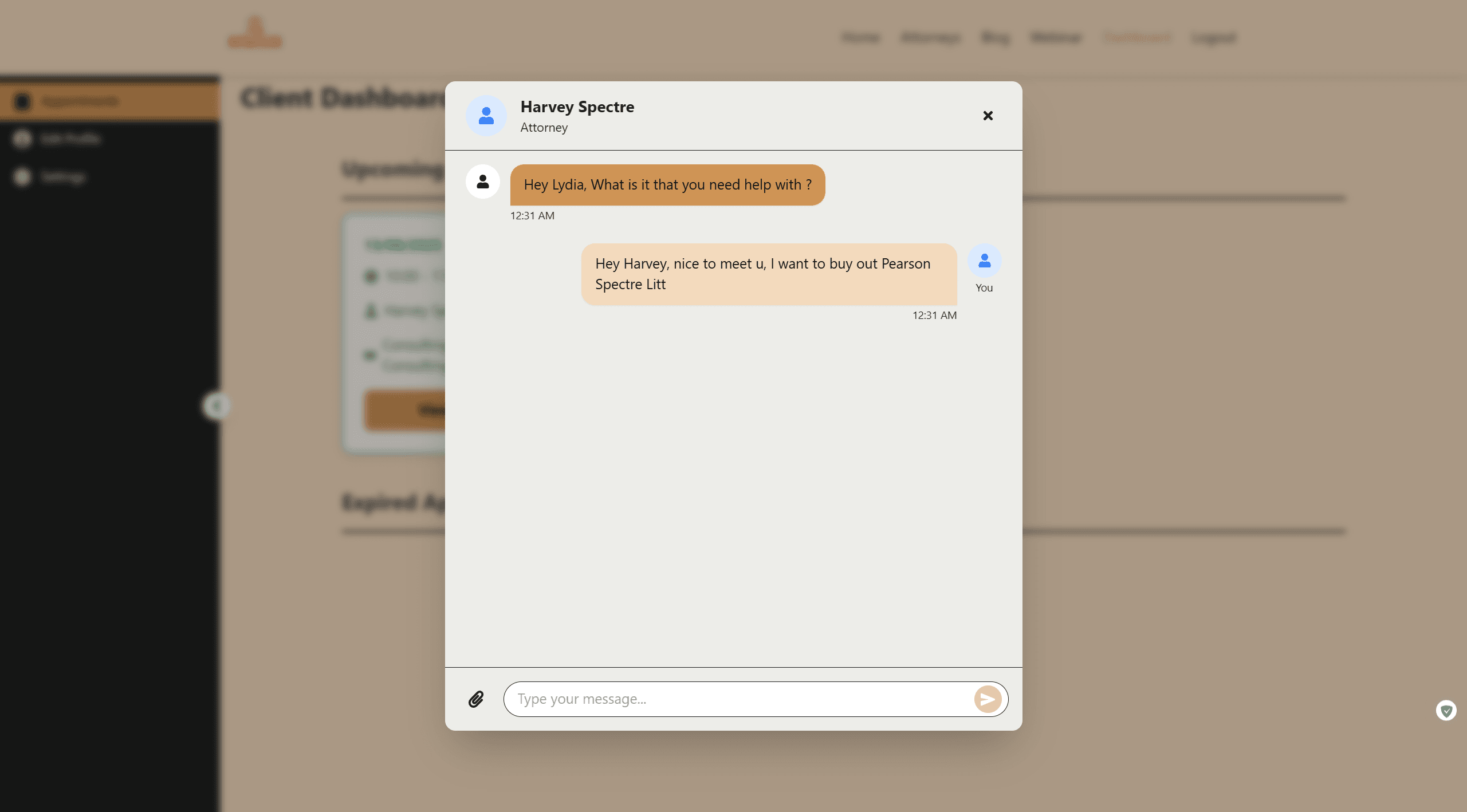

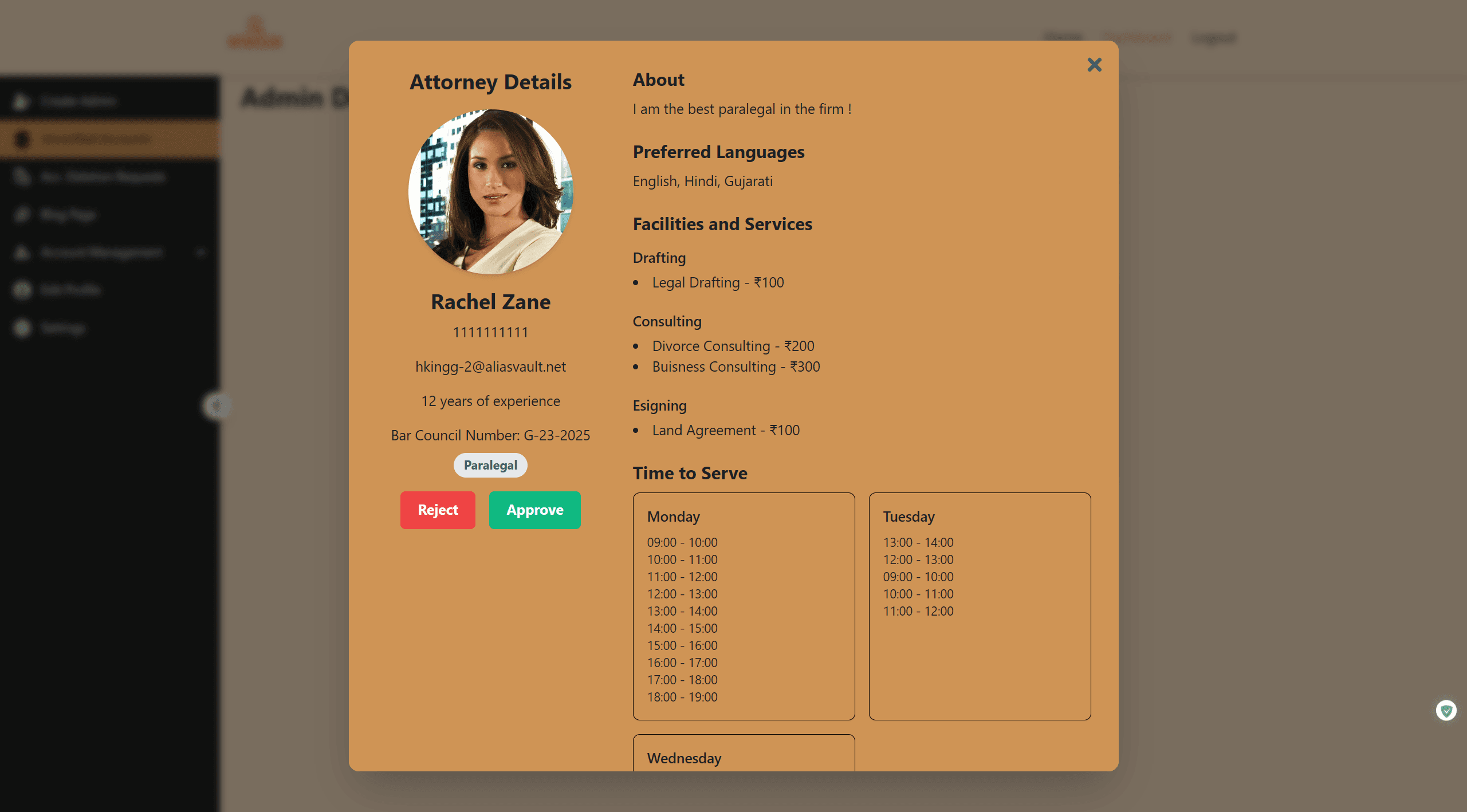

Consults
WebRTC
Drafting
AI-assisted
Infra
Self-managed
Overview
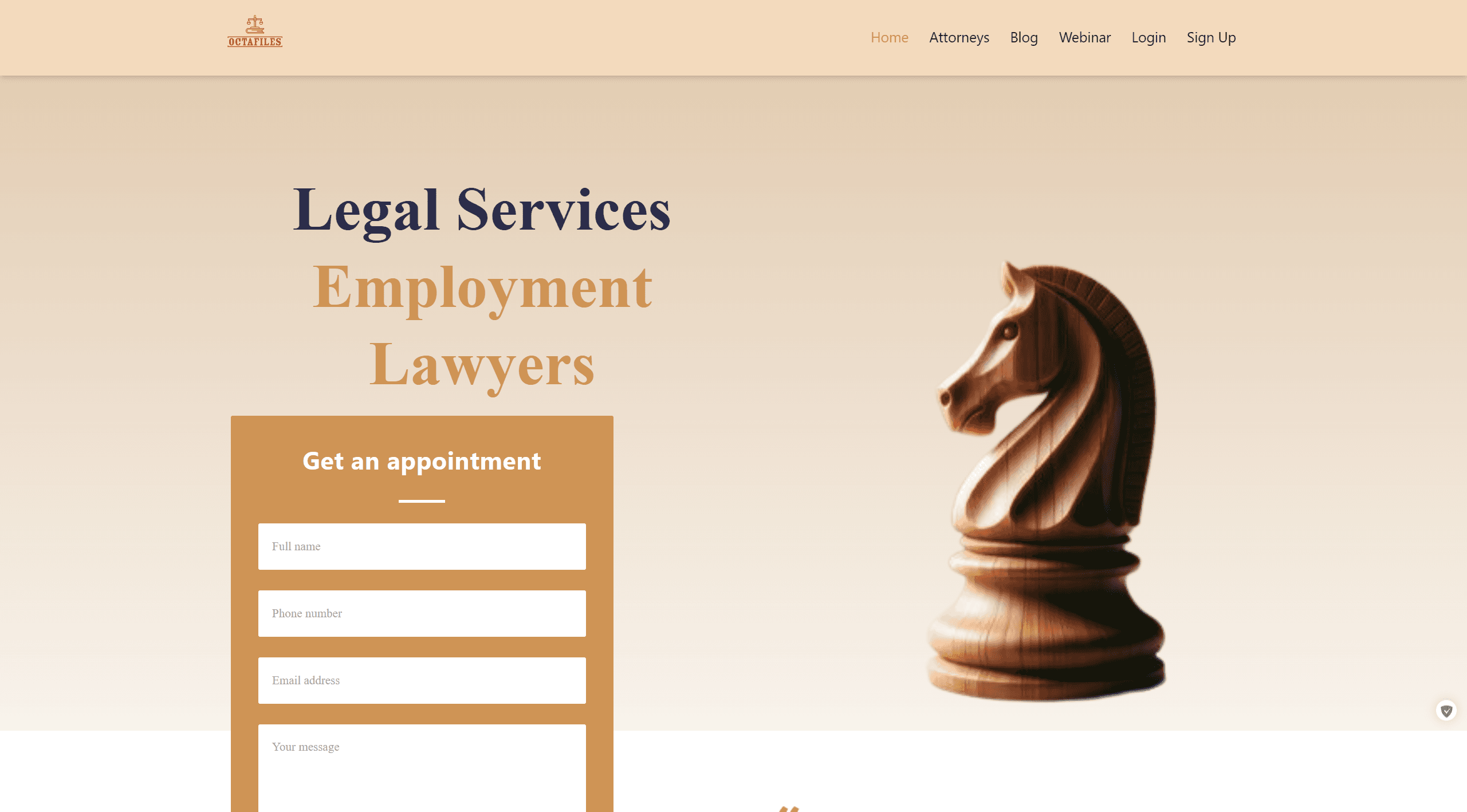
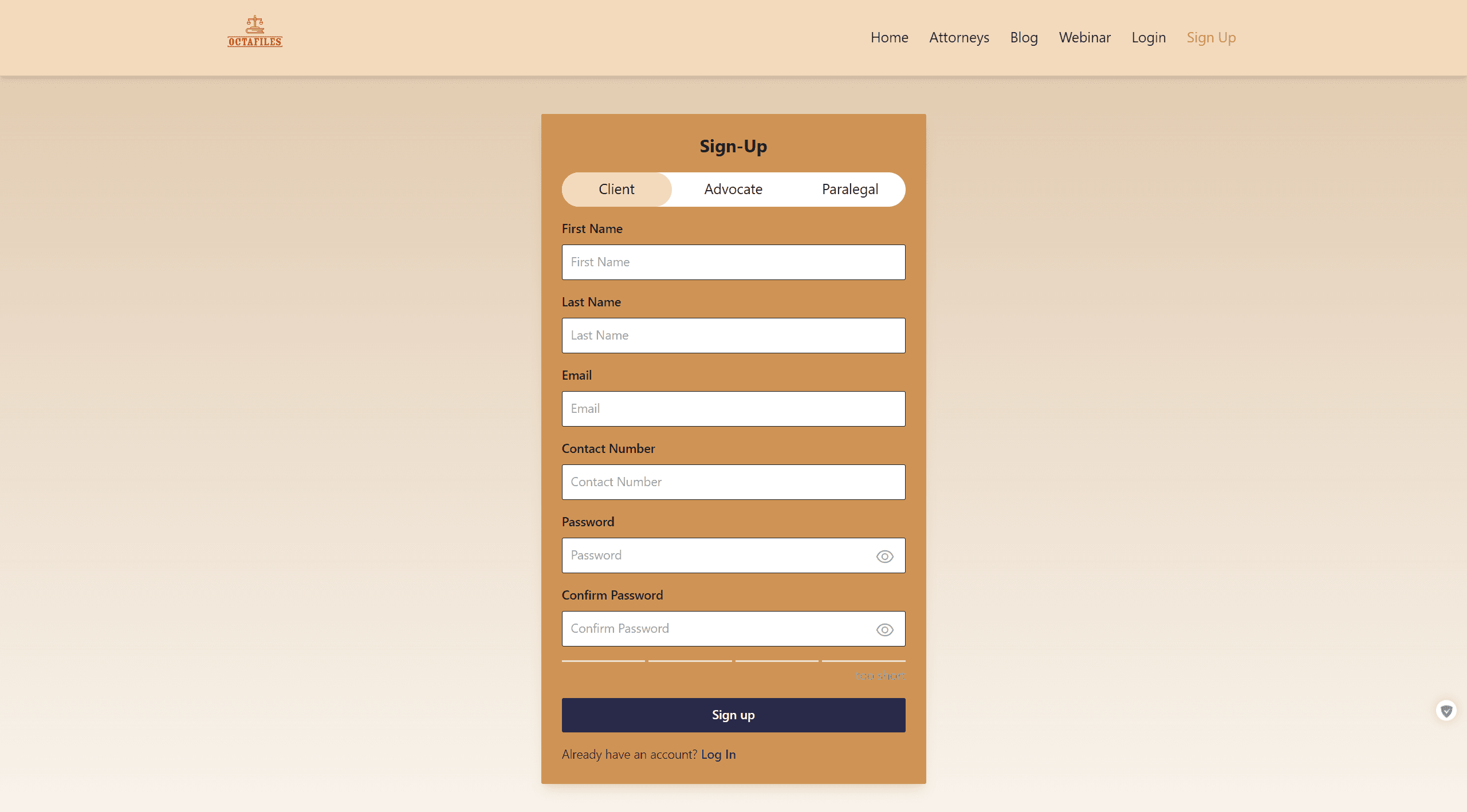
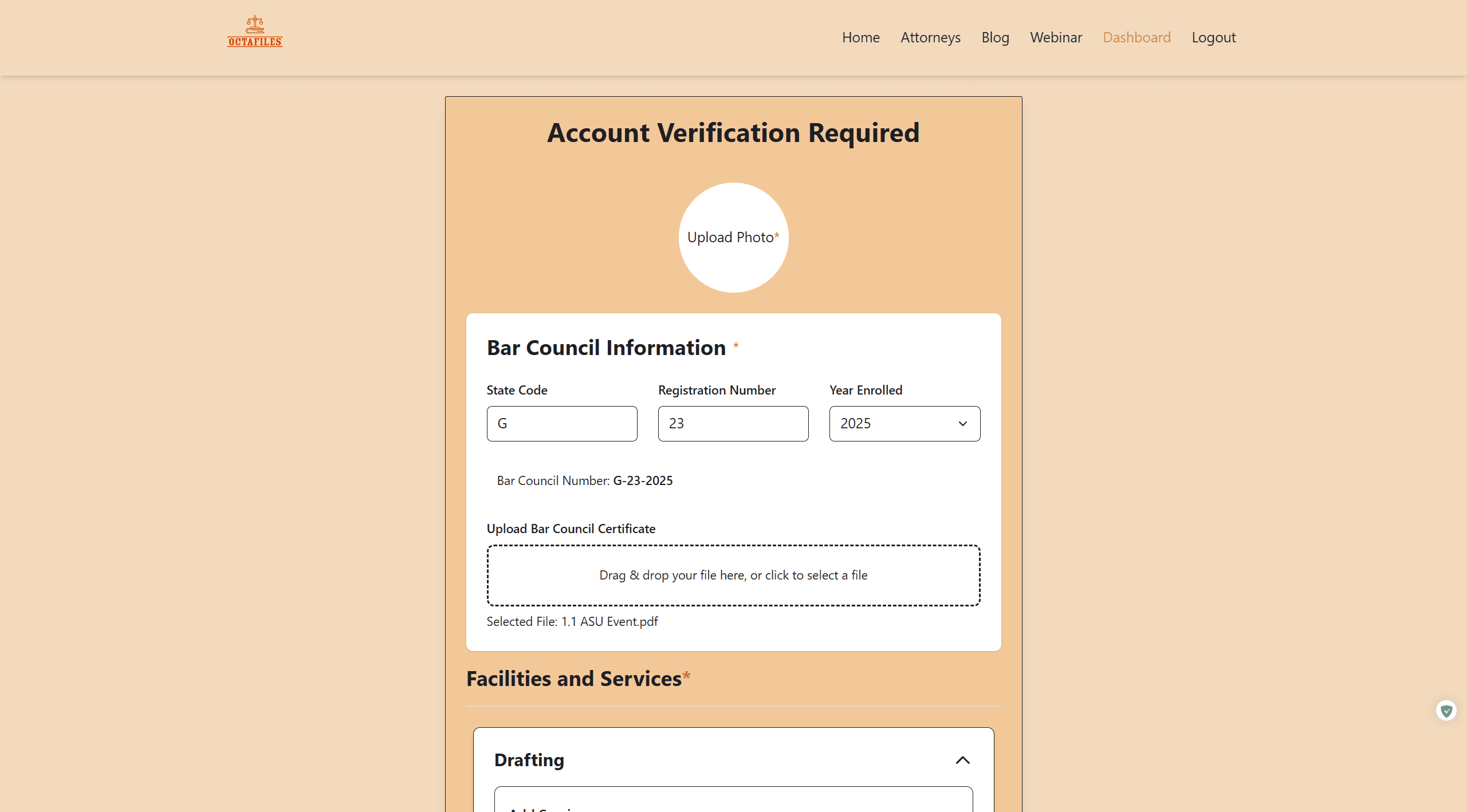
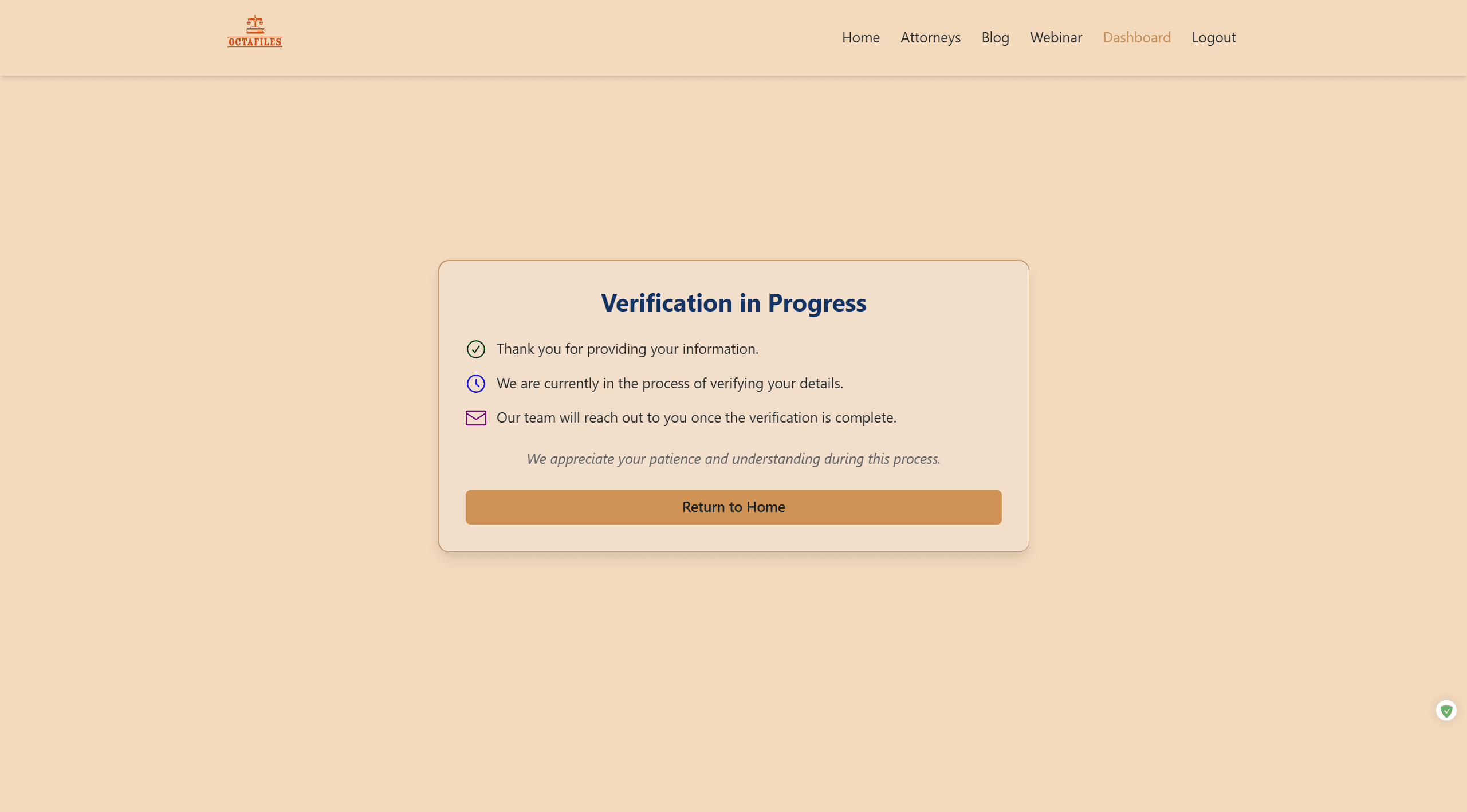
Octafiles is a legal services marketplace built around the specific needs of attorney-client workflows: secure scheduling, WebRTC video consultations, AI-assisted document drafting, and privacy-sensitive communication — all in one dedicated platform rather than assembled from generic tools.
The problem
Legal workflows involve sensitive client communications, trust-critical scheduling, and complex document handling that generic platforms handle poorly. Attorneys and clients are forced to use separate tools for calls, scheduling, document review, and messaging, creating friction and privacy exposure at every handoff.
What I built
Octafiles integrates discovery, attorney booking, WebRTC consultations, real-time messaging, and AI-assisted document drafting into a single product. The communication stack runs on self-managed infrastructure using open-source alternatives, giving privacy and data control to the platform operators rather than third-party services.
My role
Lead development across security architecture design, WebRTC integration, real-time communication systems, AI document drafting feature, PostgreSQL schema design, and self-managed infrastructure operations. Every trust-sensitive feature was designed and built with production deployment constraints in mind.
Biggest challenge
Running a WebRTC-based consultation layer on self-managed infrastructure without the reliability scaffolding of a commercial service required careful ICE server configuration, fallback handling, and operational monitoring. Integrating AI assistance into a trust-critical legal workflow meant every output path required human review — shaping the UX rather than automating it.
Next project
Autonomous CRM Demo Platform